
Globally there are still 1.3 billion people without access to electricity and an incredible 3 billion still without access to modern thermal fuels in other words still using traditional fuels. Despite all of mankind’s technological advances the real delivering of modern energy is lagging well behind.
THE IES PRACTICE EMBRACES A FEW KEY APPROACHES TO SUSTAINABLE DELIVER, INCLUDING:
- Implementable and practical country or regional level plans that have the support of stakeholders is a vital pre requisite for any substantive energy upliftment for the poor. There is clear evidence showing countries and regions that have taken these difficult, yet effective, decisions and have shown real delivery impact.
- A multi-fuel energisation approach is need so address the three A’s of energy for the poor – affordability, accessibility and acceptability. The approach advocates that energy needs are addressed concurrently (i.e. not just a PV panel for lights and TV) and that multiple fuels are often needed to meet these needs in an affordable and sustainable manner.
- Despite years of work and development, delivery of modern energy services to the poor is generally failing and now stands at a crossroads. Most work is focused on the development of technologies and the trials in the interest of other stakeholders. What is needed is large scale roll out!
IES OFFERS ON SUSTAINABLE DEVELOPMENT:
1. Country and regional delivery plans
- Country level delivery plans and decision support
- Field research and need identification
- Optimising on what to deliver next
2. Roll out programme design
- Full programme design of cooking and other roll out programmes.
- Harnessing the involvement of private enterprise
- Targeted and limited capital subsidies.
3. Mini-gird development
- User segmentation, load estimation leading to suitable market offers.
- Tariffs and metering solutions
- Ownership models and business structure including staff requirements.
Energy costs are increasing rapidly due to electricity price hikes, coal increases and rand exchange rate based crude oil derivatives such as diesel and LPG fluctuate repeatedly. Simultaneously the complexity of energy matters has expanded from new energy efficient technologies through to changing legislation.
Thus, business owners and managers can no longer ignore energy as simply a monthly bill that is paid by the accountant. Rather they need to optimise both the costs and use of energy in their businesses. Most, though, are not energy specialists raising the need for a confidential, trustworthy and independent energy advisory service.
An analysis of our support to over 50 businesses showed the potential savings on the annual total energy spend of R131 million was R42 million or 34%!:The following graphs shows areas where savings are possible together with the cost obtain the saving.
Please note, how managerial, tariff and conservation actions provide around half the savings yet are the least cost to implement!
IES OFFERS FOR BUSINESS CONSUMERS:
1. Consulting services
- Electricity/energy Assessment and Report – Starting point, identifying how to save money!
- Electricity/energy policy, measures & staff training – Designed to assist business management implement the changes.
- Solar PV Investment Support – Helps overcome the risk of dealing with a new industry through an effective specification and tender process.
- An ‘on call’ Energy Manager – Too small to warrant an energy manger, just buy in what you need.
2. Business consumer seminar
- This 4 hour seminar and 90 page colour guidance manual will ensure you are fully briefed on the current electricity and energy realities faced by small and medium sized businesses.
- Plus how to identify ways to save money such as; correct tariff utilisation, conservation and switch off and save plans, investing in energy efficiency technologies and switching between energy sources including renewable energy.
- All brought together in an eight point energy plan that you can apply instantly to your business.
3. DIY Commercial website
- Under development future link
Globally there are still 1.3 billion people without access to electricity and an incredible 3 billion still without access to modern thermal fuels in other words still using traditional fuels. Despite all of mankind’s technological advances the real delivering of modern energy is lagging well behind.
THE IES PRACTICE EMBRACES A FEW KEY APPROACHES TO SUSTAINABLE DELIVER, INCLUDING:
- Implementable and practical country or regional level plans that have the support of stakeholders is a vital pre requisite for any substantive energy upliftment for the poor. There is clear evidence showing countries and regions that have taken these difficult, yet effective, decisions and have shown real delivery impact.
- A multi-fuel energisation approach is need so address the three A’s of energy for the poor – affordability, accessibility and acceptability. The approach advocates that energy needs are addressed concurrently (i.e. not just a PV panel for lights and TV) and that multiple fuels are often needed to meet these needs in an affordable and sustainable manner.
- Despite years of work and development, delivery of modern energy services to the poor is generally failing and now stands at a crossroads. Most work is focused on the development of technologies and the trials in the interest of other stakeholders. What is needed is large scale roll out!
IES OFFERS ON SUSTAINABLE DEVELOPMENT:
1. Country and regional delivery plans
- Country level delivery plans and decision support
- Field research and need identification
- Optimising on what to deliver nexta
2. Roll out programme design
- Full programme design of cooking and other roll out programmes.
- Harnessing the involvement of private enterprise
- Targeted and limited capital subsidies.
3. Mini-gird development
- User segmentation, load estimation leading to suitable market offers.
- Tariffs and metering solutions
- Ownership models and business structure including staff requirements.
More than ever electricity utilities are facing head winds, including shortages of generation capacity, growing pressure to electrify large numbers of customers, financial squeeze, and generally a lack of capacity to deliver both as the supplier of last resort and as cornerstones of national growth.
Normal utility response and thinking is to invest in generation plant, connect IPP’s, construct networks and to focus on increasing customer revenue. This thinking stems from the concept that utilities supply to every meter, what customers choose to do with the power is their problem as long as they pay.
Despite being around for years Demand Side Management (DSM) is misunderstood additional strategy in the utility manager’s hand to help in resolving these challenges. In fact it could be said that utilities who do not embrace beyond the meter or demand side actions will not survive! This forgotten step-sister, enables utilities understand how customer use power, appreciate the profitability or margin on every kWh sold and then work towards managing the usage to optimise returns!
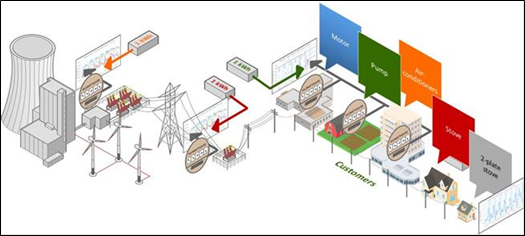
INTO THIS SPACE IES OFFERS THE FOLLOWING SERVICES:
1. Business analysis
- Strategically integrating the roll of beyond the meter actions into utility plans.
- Analysis mythology for understanding and tracking margins on sales.
2. Programme development
- National or network specific programme identification to improve financial returns
- Programme design and development for launch into the market.
3. Training services
- Training staff on demand side management for electricity utility personnel.