The following is a sample of projects completed by IES
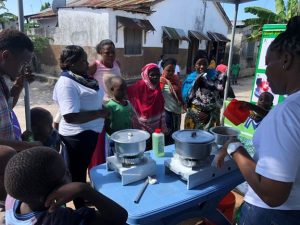
Bioethanol cooking in Dar es Salaam, Tanzania
Location: Tanzania (2017-2021)
Sponsor: UNIDO (United Nations Development Organisation)
A GEF-6 cycle project in collaboration with the Division of Environment–VPO and the Ministry of Energy and Minerals of Tanzania. Project involves implementation of innovative market enabling strategy with roll out of 500,000 bioethanol cooking stoves by private industry and the simultaneous development of bioethanol manufacturing and supply capacity. Paul Harris is the technical advisor on the implementation team responsible for the detailed project component design activities. The large scale of the project is a first in the world for ethanol cooking.
Market assessment of residential and small commercial air conditioners in South Africa
Location: South Africa (2018-2019)
Sponsor: UNDP (United Nations Development Program)
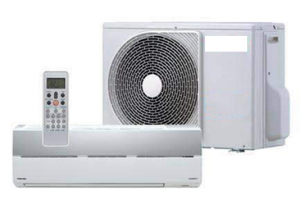
Drawing on South African appliance minimum efficiency performance standards (MEPS) that covered 12 appliances in 2016, this project focused on increasing programme effectiveness for air conditioners. Work included: understanding AC’s market penetration, characteristics and energy usage, determining the appropriateness of measures /interventions for market transformation. The study uncovered current market trends and identified market barriers to penetration of more efficient ACs as well as suitable measures/interventions. The study compared the study results with international best practice and recommended regulatory and non-regulatory measures to advance market transformation in South Africa.
Development of Training Material for Energy Efficiency and Labelling of electrical and Electronic apparatus for NRCS staff
Location: South Africa (2017-2018)
Sponsor: SABS/UNDP(South African Bureau of Standards/United Nations Development Program)
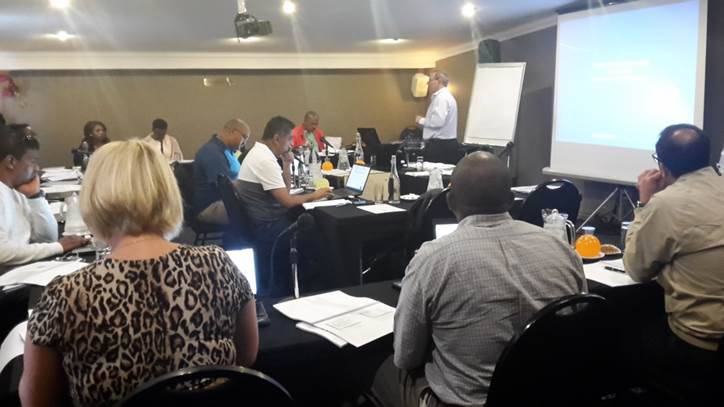
The introduction of the Minimum Energy Performance Standards (MEPS), a regulatory framework to support the market transformation of the electrical appliance industry, resulted in the development and introduction of a South African Energy Efficiency Label for 12 appliances. To ensure conformance National Regulator for Compulsory Specifications (NRCS), operating under the DTI and mandated under the NRCS Act of 2008, will be commencing with compliance and enforcement for the Standards and Labelling (S&L) Programme. IES developed training materials and implemented training for all NRCS staff.

Identify, assess, and design a market-based economic incentives for energy-efficient appliances in South Africa – Geysers & LED lamps
Location: South Africa (2016-2017)
Sponsor: South African Danish Energy Programme/DoE
In partnership with Danish based Development Associates, the overall objective of this project has been to analyse the electric geyser and LED lamp markets in South Africa and then the preparation market-based interventions for implementation in the form of pilots. These pilot market interventions will lead to increased take up of more efficient “B” standard electric geyser and a faster switch to LED lamps in the South African residential sector. This project formed part of the appliance energy efficiency Standards and Labelling (S&L) Programme, being undertaken by the United Nations Development Programme (UNDP) /Global Environmental Facility (GEF) project.
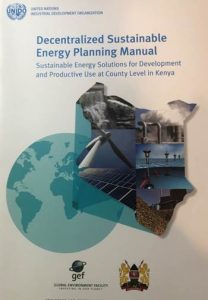
County level renewable energy planning in Kenya – training facilitation
Location: Kenya (2016)
Sponsor: UNIDO (United Nations Industrial Development Organisation)
UNIDO is implementing a Global Environment Facility (GEF) funded project entitled “Sustainable conversion of waste to clean energy for greenhouse gas (GHG) emissions reduction in Kenya. IES are preparing and then providing necessary tools and training for local trainers and energy planners of 47 counties. Training will be executed in August 2016 and the plans prepared by county participants will be reviewed before finalisation and implementation.
Bioethanol cooking in Tanzania – project design
Location: Tanzania (2016)
Sponsor: UNIDO (United Nations Industrial Development Organisation)
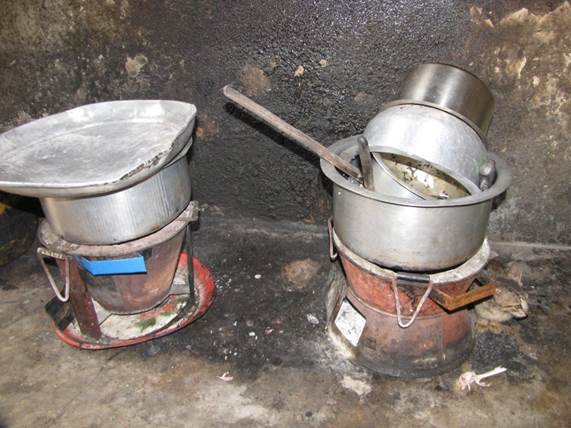
UNIDO is developing a project for approval under the GEF-6 cycle in collaboration with the Division of Environment–VPO and the Ministry of Energy and Minerals of Tanzania. The proposed project intends to promote the use of bio-ethanol as an alternative clean cooking fuel. IES have led the technical development of an overall project concept that will harness private industry to deliver. The innovative market enabling framework will see the roll out of 500,000 bioethanol cooking stoves and the simultaneous development of bioethanol manufacturing capacity.
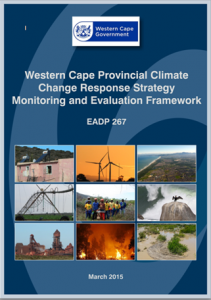
Western Cape Climate Change Mitigation Response Strategies: Monitoring and Evaluation Framework
Location: Western Province, South Africa (2015)
Sponsor: Western Cape Government: Environmental Affairs and Development Planning
IES supported the planning, development and implementation of an evaluation and monitoring framework to provide greater realism to the achievement of the Provincial Mitigation Objectives in aiming to become a low carbon Province.
Expert work on mini-girds community power centres for UNIDO
Location: East Africa (2015-2016)
Sponsor: UNIDO (United Nations Industrial Development Organisation)
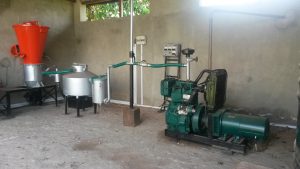
Appointed as a mini-gird and community power centre expert to support the UNIDO. As part of the Sustainable Energy for All (SE4ALL) developments in East Africa, a detailed guidebook was prepared and presented. Synthesising the lessons learnt from a range of existing projects, a viable business model for private sector driven initiatives to provide access to clean and affordable energy for productive uses was developed. These guidelines for developers and investors addressed issues such as: planning, sizing, ownership, market policies, revenue generation, operational activities, sustainability and overall governance. Secondly commercial operational plans were prepared for two hydro supplied mini-grids in Tanzania.
Eskom commercial profiling as a potential client for the purchase of mine steam coal & independently produced electrical power
Location: South Africa (2014)
Sponsor: Private company – commercially sensitive project
A detailed due diligence study and report presenting a “state of the Nation” review and facts on the financial and commercial position of Eskom as a potential client.

LP Gas and promotion of quality of rural life: reliable and accessible energy – Columbia
Location: Bogata, Columbia (2012)
Sponsor: Comisión de Regulación de Energía y Gas (CREG) – Bogata, Columbia via the Wordl LP Gas Association
A report was prepared and presented as a paper entitled “LPG – A reliable and accessible energy option for quality rural life” at the CREG LPG Policy Seminar held in Bogotá on 23 & 24 August 2012. The seminar objective was to disseminate information among stakeholders as a prelude to the preparation of a new regulatory environment, including possible price interventions, for LPG. The specific focus was the use of LPG for the economic enhancement of the rural poor in Columbia.
Review of Electricity Demand Response International Experience
Location: South Africa (2013)
Sponsor: Eskom Holdings: Research and Innovation
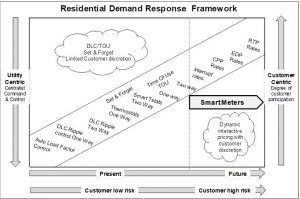
This project was a contribution to an extensive confidential project involving other project partners and contributors. The IES contribution required a summary of international experience with DR programs, a full understanding of what DR covers and how customers are incentivised, typical technologies involved and how operated, how customers are rewarded for participation. The existing volumes and growth forecasts of different DR were presented with cost and financial factors. The implications of this data were then provided regarding DR for the South African residential market.
5MW electrical mini grid and distribution utility conceptual design and development
Location: Nigeria Ebonyi state/South Africa (2012)
Sponsor: UNIDO (United Nations Industrial Development Organisation)
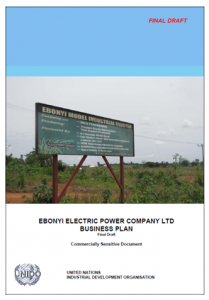
Preparation of a report which tol advise and guide local stakeholders and UNIDO on development of a mini-grid, which when implemented will supply a local industrial, commercial and residential customer base with electricity purchased on a wholesale basis from a 5MW rice husk based generation plant. Activities include; the onsite gathering of market data (customer type, expected usage levels load profiles, sales forecasts), detailed design of the distribution company (size, tariffs, operating guidelines, staffing), a business plan for implementation by the Distribution Company and develop tender specification for the mini grid technical design.
Electricity Distribution Network Demand Management: Development of integrated methodologies, supporting Case Studies and blended learning training materials
Location: South Africa (2010-2013)
Sponsor: Eskom: South African National Electricity Utility
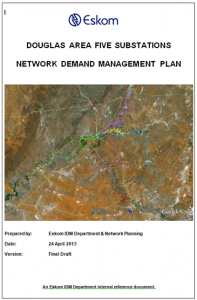
Successful completion of an integrated methodology including all supporting analytical tools, energy usage data analysis, market intervention methods and business modelling to provide lower cost solutions for the reliable provision of energy to all types of market sector. The project also involved the completion of 12 diverse detailed market based case studies and supporting training and implementation material for the rapid deployment of Network Demand Management and Rural Network Demand Management across South Africa. The project integrates demand side management, network planning , engineering and targets, market and customer research and provision of other energy supplies to meet totality of consumers energy needs. Among other things, this extensive project also aims to address a massive backlog of electricity distribution network maintenance and upgrading investment necessary across South Africa. A range of supporting training materials, workshops and seminars were also provided.
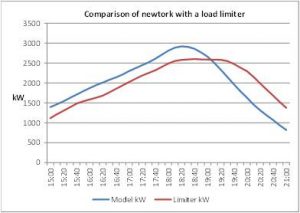
Scoping study and report: Residential Geyser load control devices: Concept development, benefit analysis and proposed pilot project
Location: South Africa (2011)
Sponsor: Eskom: Integrated Demand Response
At a time when SA was suffering severe electricity load outages with a need to urgently introduce energy conservation and efficiency measures the purpose of this study and set of proposals and recommendations was to present an analysis of electrical geyser control devices that could be rapidly deployed to achieve quantified reductions in residential electricity loads.
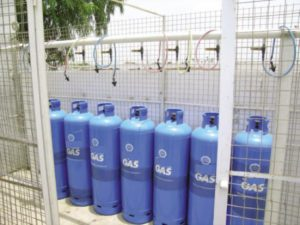
Proposals and recommendations for LPG Bulk Reticulation to residential estates to support electricity de-marketing and load reduction
Location: South Africa (2011)
Sponsor: Eskom: Integrated Demand Response
This project was a conceptual feasibility report as one of many contributions to a wide ranging listing of electricity load reduction options under consideration by Eskom for selection ands further development for implementation as part of their Integrated Demand Management response strategies.
Carbon footprint reduction for agro-processing industries of Tanzania
Location: Tanzania/South Africa (2010-2011)
Sponsor: UNIDO (United Nations Industrial Development Organisation)
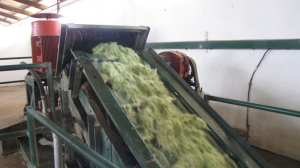
This project focuses on identifying opportunities for reducing the carbon footprint associated with Agro-processing industries in Tanzania. Agriculture and agro-processing are key economic sectors in Tanzania. Work has included surveys of current energy usage, carbon footprint calculations and a full set of implementable strategies for the industries.
Development of National Solar Water Heating (SWH) Strategy for South Africa
Location: South Africa (2009-2010)
Sponsor: World Bank, SA Department of Energy and Development Bank Southern Africa
The overall objective is to develop a comprehensive national SWH strategy and detailed implementation plan for all market sectors drawing on significant existing experience with Eskom, aligning all the necessary role players, making the financial, economic, social and environmental case for SWHs, identifies attention needed to reduce existing barriers, and develops sub-strategies for the different components and aspects which are necessary or useful supports to a national strategy.
Fuel switching review and feasibility strategy
Location: South Africa and Southern Africa (2010)
Sponsor: Integrated Demand Management, Eskom
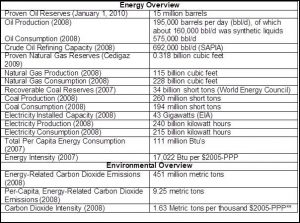
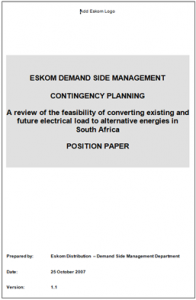
Eskom faced with major diminishing generation reserve margin had embarked on extensive load and consumption reduction activities. This extensive project was commissioned to review the feasibility of switching existing electrical loads to alternative energies in South Africa and to develop necessary implementations strategies. The rational involved in this project was for existing loads to be switched to alternative fuelled processes, such as: alternative energy for household cooking, back up diesel generation and the substitution of electricity with thermal fuels in industry and commerce.
Review of Clean Development Mechanism (CDM) and Carbon Offsets to generate foreign investment from the sale of emission reductions in support of a residential solar hot water program
Location: South Africa (2009)
Sponsor: Eskom and SA Dept., Minerals and Energy
The study and IES report provides an assessment of the opportunity to develop the SA national Solar Hot Water Project under CDM thereby generating foreign income from the sales of emission reductions. The study and base project information was provided by IES and the specialist CDM professional opinion was provided by Ms C. Terblanche appointed by IES (Pty) Ltd for this purpose to jointly create the final integrated IES Carbon Offset Review for the sponsoring bodies.
Eskom Residential Solar Hot Water – Review and Future Direction
Location: South Africa (2008)
Sponsor: Eskom, National Demand Side Management
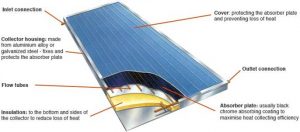
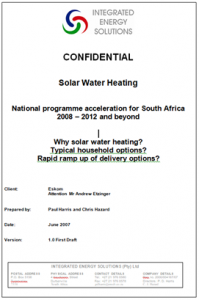
Various residential Solar Hot Water (SHW) schemes, different role players and subsidy activities were failing to meet desired delivery objectives. To achieve success such a national program aimed at a million households had to be grounded in householder needs and affordability levels. It was also necessary to properly align, integrate and coordinate these various SHW initiatives within an overall logical strategic framework. These matters were the focus of this review and report.
Survey of Societal Resilience to Electricity Outages
Location: South Africa (2008-2009)
Sponsor: Eskom: Research and Development Department. Joint study with IES and Restio Energy
A research project to determine the impacts of outrages on the general public and certain population sectors. The data obtained together with recommendations enabled a better informed management of electricity supply outages including improved scheduling and public notifications; and, ensuring necessary provisions for vulnerable sectors of society.

National Strategic Demand Side Management Planning
Location: South Africa (2007-2013)
Sponsor: Eskom
Continuous provision of detailed strategic level consulting to Eskom on Demand Side Management activities following acute electricity shortages with the failure of the Cape Town Nuclear Power Station in 2006. Subjects include: Efficient lighting/CFL Business plans for the National Electricity Regulator (NERSA), Redirection and retraining technical sales teams, product package development, Technical broadsheet reviews and editing, Initial strategic planning for national Solar Water Heating Program, LP Gas cooking programmes research and planning and so forth.
Design, development and project management of an accelerated conversion of electric cooking loads to LP Gas
Location: South Africa (2006-2007)
Sponsor: Eskom
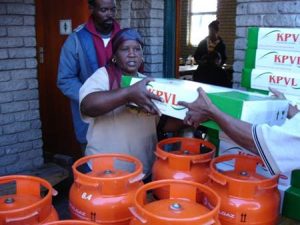
Two large scale electricity de-marketing to LPG Gas Programmes were developed and implemented in Cape Town. One was targeted at middle and upper income household market sector. The other and larger program was targeted at low income (poor) households in the townships of Cape Town. The low income household program successfully switched some 100,000 households from electric to gas cooking. Load displaced >30MW. [First ever DSM application of LP Gas as a DSM energy substitute for electricity programme]. Following successful completion of programs two detailed post project implementation evaluations were conducted and reported.
Technical Due Diligence Review and Report for new Eskom Peaking Plant in Atlantis, Western Cape
Location: South Africa (2006)
Sponsor: Eskom
A risk analysis and due diligence review of the adequacy and reliability of diesel supply from SA Oil Refineries for the satisfactory operation of the plant to meet certain defined operational criteria.
Incremental Strategic DSM Framework: National Energy Development for the Poor. National imperatives for South Africa 2008 – 2012 and beyond
Location: South Africa (2007)
Sponsor: Eskom
This targeted project examined the urgent need for modern energy provision among the poor of South Africa against the electricity for all program and the recently occurred shortage of electricity supply capacity hat had arisen and highlighted by the failure of the nuclear power station in Cape Town. Following an examination of the available options available and the quantum’s involved it set out an integrated demand side strategy for the provision of a range of integrated energy carriers tosatisfy these pressing residential needs in a sustainable, environmentally prudent manner and in an affordable way for both the country and poor householders.

Facilitation of Free Basic LP Gas for low income households in South Africa
Location: South Africa (2004-2007)
Sponsor: LP Gas Association of South Africa
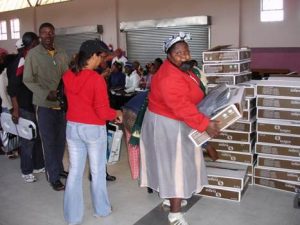
Continuing liaison with all stakeholders including all LP Gas suppliers in South Africa, and relevant National Government Departments for the preparation of framework agreements for the provision of Free Basic LP Gas as a subsidised household fuel for low income households in South Africa. This to integrate with subsidised electricity for indigent households.
LP Gas for South African residential market – cost benefit analysis
Location: South Africa (2007)
Sponsor: This project was initiated by SA Dept., Minerals and Energy and the LP Gas Safety Association for communication to other stakeholders, Dept Finance, NERSA and Eskom.
Following agreement on the methodology and assumptions the completion of the CBA and provision of a report to the Dept., Energy and LP Gas Association of SA.
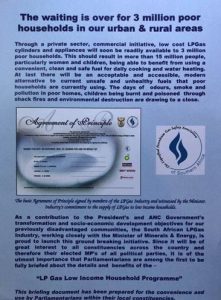
Preparations for the launch of affordable LP Gas Industry’s programme for 3 million low income households
Location: South Africa (2005)
Sponsor: LP Gas Safety Association of SA and IES (Pty) Ltd
A range of briefing material, speeches and presentations for Minister of Energy, Government Officials and members of LP Gas Association and Members.
Low income household LP Gas Delivery Programme – Reporting and Monitoring
Location: South Africa (2004)
Sponsor: LP Gas Safety Association of Southern Africa.
An agreed set of performance criteria and standards, monitoring methods and regular reporting of delivery performance across the country and by various elements of the LPG supply industry.
Market Enabling Framework for LPG Gas for low income households
Location: South Africa (2004)
Sponsor: LP Gas Safety Association of Southern Africa
Following a series of presentations and workshops with Government, Eskom and members of the SA LPG Industry to gain support and agreement, a consensus building document was created that presents a framework for an agreement between all stakeholders on enabling LP Gas delivery to the poor households of South Africa.
Capital Fund Development Process for LP Gas for low income households
Location: South Africa (2004)
Sponsor: LP Gas Safety Association of Southern
A guideline, prospectus and process was developed on behalf of the LP Gas Industry to govern the establishment of a Capital Fund to support the delivery of LP Gas to low income urban and rural households in South Africa.
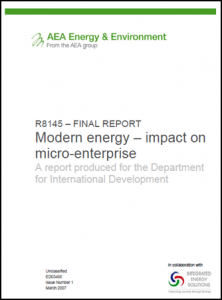
Empirical study of the impacts of modern energy on micro-enterprises in poor urban and rural communities in Southern Africa and India
Location: South Africa (2002-2007)
Sponsor: Department for international Development DFID (UK)
Development of an evaluation framework, verification of the framework and then undertake a longitudinal study on the impact of providing modern energy to micro enterprise within urban and rural villages.
Advisory paper on proposed amendments to Factory Gate Pricing for LP Gas for low income households
Location: South Africa (2005)
Sponsor: SA Dept Energy and SA LPG Safety Association
Following a detailed study of SA Government strategic regulated ex refinery bulk pricing and extensive consultation with relevant stakeholders the paper proposed a range of revisions of such pricing regulations to ensure they now related to contemporary supply and demand conditions and residential market needs among the poor for affordable LP Gas.
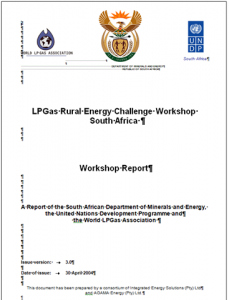
United Nations Development Program (UNDP) Rural Energy Challenge Workshop, South Africa
Location: South Africa (2004)
Sponsor: UNDP and World LP Gas Association
Prepare a background paper on LP Gas for the poor in South Africa. Also organise and ensure attendance of 90 key local energy industry delegates at the workshop, facilitate proceedings and prepare a documentary record of the workshop proceedings.
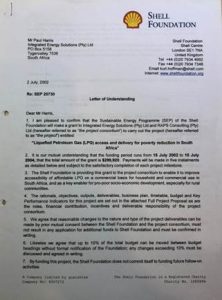
Liquefied Petroleum Gas (LPG) access and delivery for poverty reduction in South Africa
Location: South Africa (2003)
Sponsor: Shell Foundation
Confidential commercial project undertaken for the Shell Foundation.
Design and structuring Rural Energy Supply Companies (RESCO Toolkit)
Location: South Africa and India
Sponsor: DFID
The Rural Energy Supply Company (RESCO) Design Toolkit developed in conjunction with AEA Technology (Future Energy Solutions) of Harwell, UK with DFID funding aimed to help users gather necessary information, plan, design and set up a fit for purpose organisation and operation for the supply and servicing of rural energy for people in poor rural communities. The Toolkit is intended to be used by entrepreneurs wishing to start or improve such a business, for financiers and banking bodies providing start up and investment capital, for energy policy makers and regulatory bodies, electricity utilities, energy and equipment suppliers. Yet further elements of the Toolkit also ensure the effective management of stakeholders, that the aspirations of community members are included, that the energy package offerings are affordable to householders; and, that all the energy needs are effectively met.
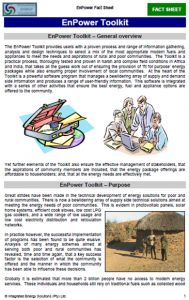
Development of an energy appraisal tool for rural communities (EnPower Toolkit)
Location: South Africa and India (2003)
Sponsor: DFID
The development of a toolkit to assist field practitioners with the decision making associated with selecting the next mix of affordable fuels and appliances to provide modern energy services for rural communities – toolkit named “Enpower”. The EnPower Toolkit provides users with a proven process and range of information gathering, analysis and design techniques to select a mix of the most appropriate modern fuels and appliances to meet the needs and aspirations of rural and poor communities. The Toolkit is a practical process, thoroughly tested and proven in harsh and complex field conditions in Africa and India, that takes all the guess work out of ensuring the provision of ‘fit for purpose’ energy packages while also ensuring proper involvement of local communities. At the heart of the Toolkit is a powerful software program that manages a bewildering array of supply and demand side information and produces a range of user-friendly information. This software is integrated with a series of other activities that ensure the best energy, fuel and appliance options are offered to the community.